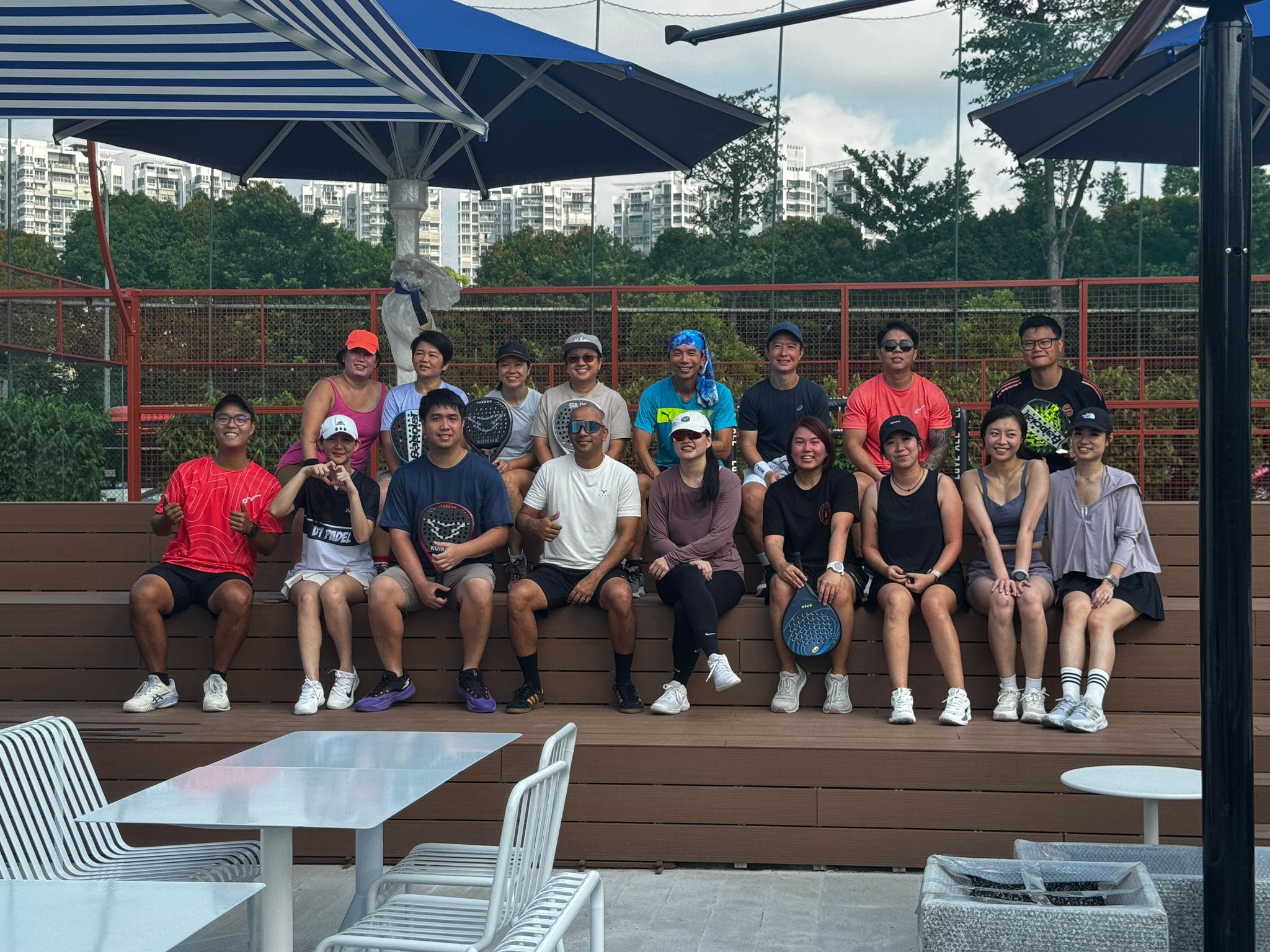
Infrastructures that go beyond competition to foster connection, inclusion, and everyday wellbeing.
In every padel or pickleball match, the game starts with the same declaration: Love-all. A derivative of the French word for zero, “l’oeuf”, this pre-game announcement is a reminder that at the start of every game, everyone begins on equal ground with a score of zero-zero and whatever happens next depends on how we play.
We applied the same principle in designing the new Love All courts; just as every game begins and ends on equal ground, so should the spaces we create.
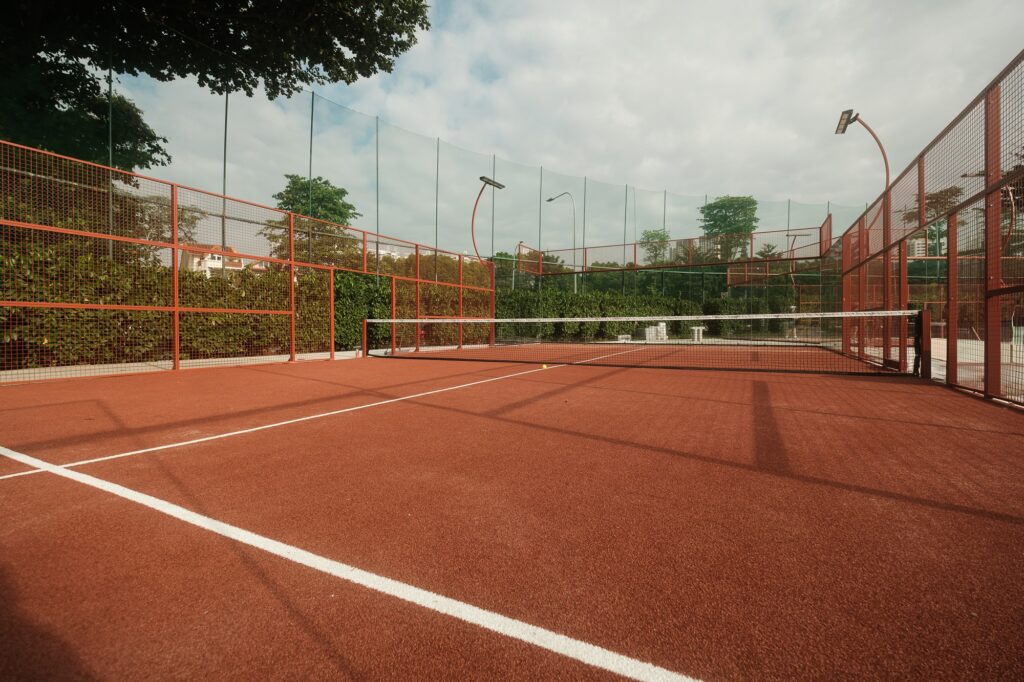
Reframing sport as a social connector
Sports have long been associated with performance and competition. Every game is centred around measurable achievement and a huge emphasis is placed on ‘winning’.
But for many, this framing can be intimidating. The assumption that one must be “sporty” or competitive to participate excludes those who might otherwise benefit most from movement.
The challenge for us as architects, developers, and operators is to rethink sporting environments as social infrastructure — hubs that promote inclusion, wellbeing, and connection, rather than spaces where select individuals display their athletic prowess.
When planned intentionally, sporting spaces can act as powerful levellers. They bring together people from different backgrounds and generations, providing opportunities for interaction that transcend language, culture, and ability.
The case for everyday movement, beyond athleticism
Much of what we call ‘wellness’ today is performative and driven by aesthetics; the pursuit of a look, a lifestyle, or an identity. It typically swings between two extremes: On one end, you have wellness framed as the pursuit of peak performance with measurable progress, optimised routines, and constant improvement. On the other, you have the individuals who define it as the pursuit of serenity (read: cold plunges, matcha, and slow yoga flows in perfectly lit studios).
Whether it is presented in the language of athleticism or calm, wellness has increasingly become something we curate rather than live. In both cases, the focus is individual. Wellness is framed as a private pursuit of self-improvement or self-soothing — something to be achieved alone.
But true wellness has always been holistic; it’s not limited to just physical mobility or a temporary sense of calm. Referencing Maslow’s Hierarchy of Needs, true wellbeing requires full integration of the body, mind, and environment, and community is a crucial pillar in that structure.
In the context of Love All, this calls for a redefinition of what it means to live and feel well. The challenge before us is not an individual one but a collective one: How can we make movement part of everyday life for people of all abilities and backgrounds?
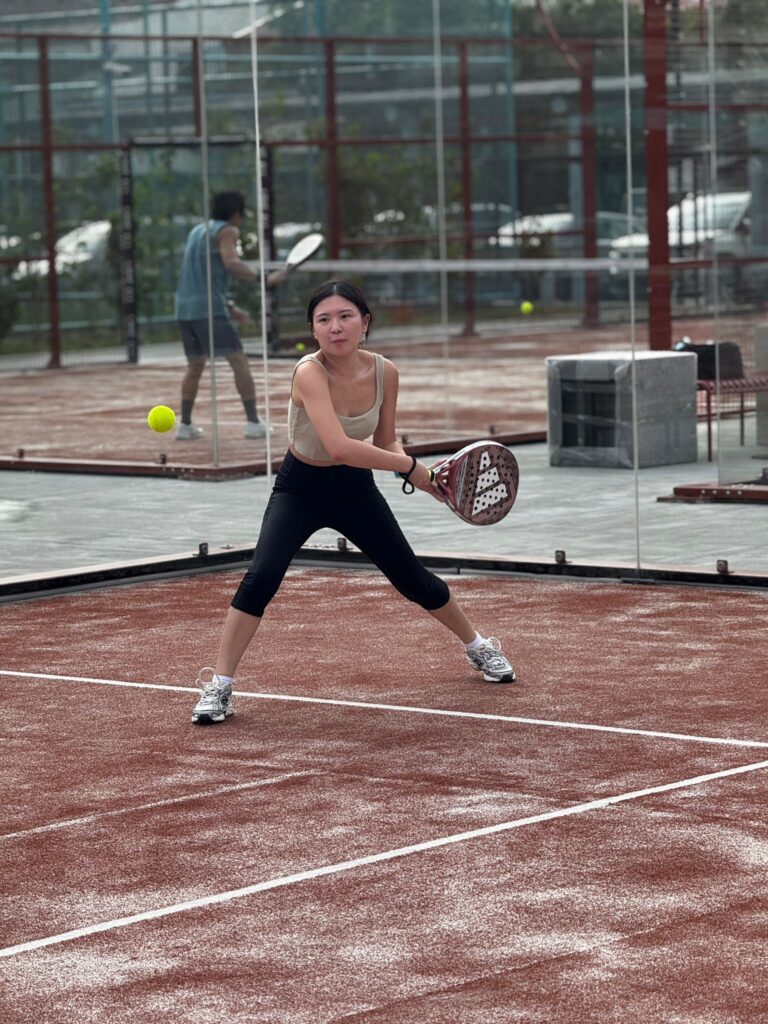
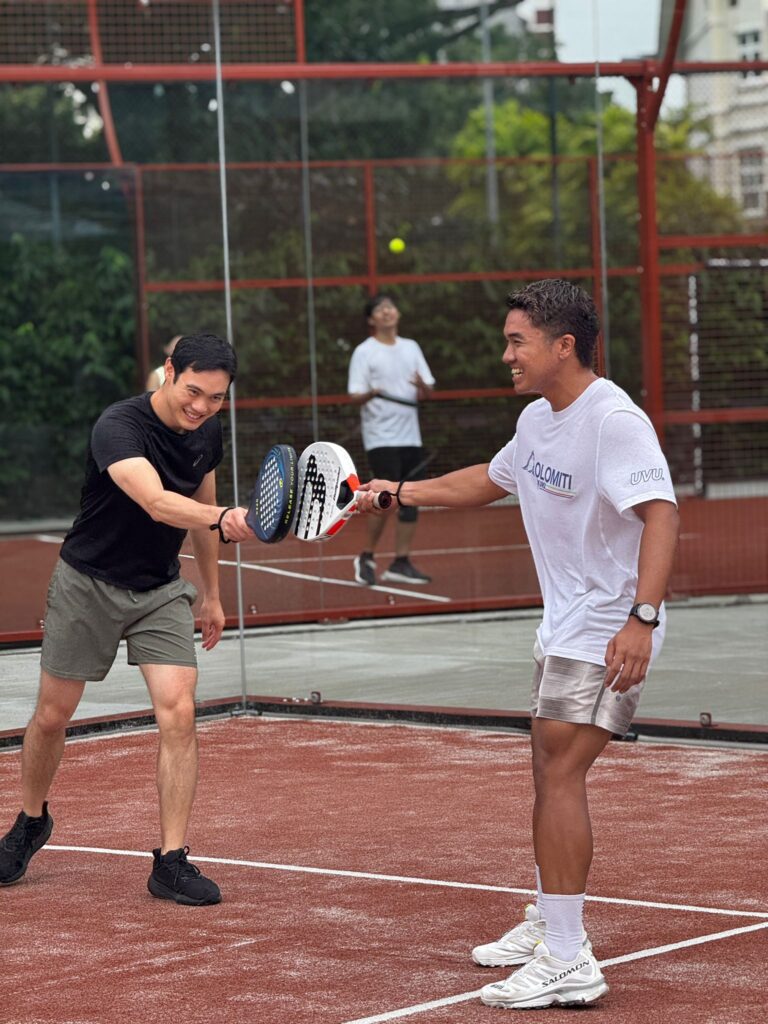
That’s where sports like padel and pickleball come in. Most often played in doubles, they are inherently social games that rely on cooperation, rhythm, and relational awareness rather than sheer endurance or strength.
This makes them powerful entry points into movement for diverse groups. Particularly, in dense urban environments where time, confidence, and connection are limited.
Designing sporting environments for ease rather than excellence makes participation intuitive — allowing movement to evolve from an individual act into a shared civic rhythm that reinforces social connection and collective wellbeing.
A pragmatic model for social wellbeing
In an era where cities face rising social isolation, the design of inclusive sports spaces is not a luxury but a form of preventative infrastructure.
Projects like Love All demonstrate how sport can serve as a bridge between wellbeing, placemaking, and social sustainability. By broadening participation, such developments deliver tangible benefits: improved mental health, intergenerational interaction, and stronger local identity.
The future of wellness architecture lies in this integration — where spaces for play become spaces for belonging. Every game begins equal, and so should the spaces we build for them.